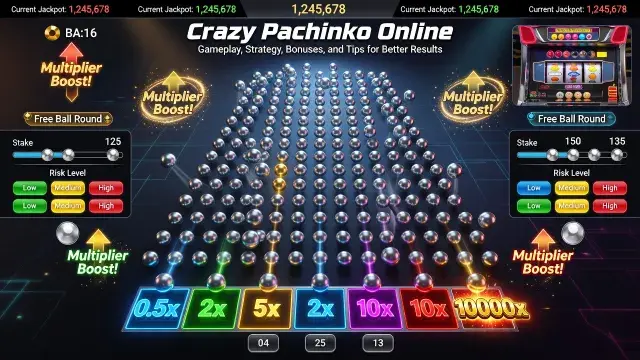
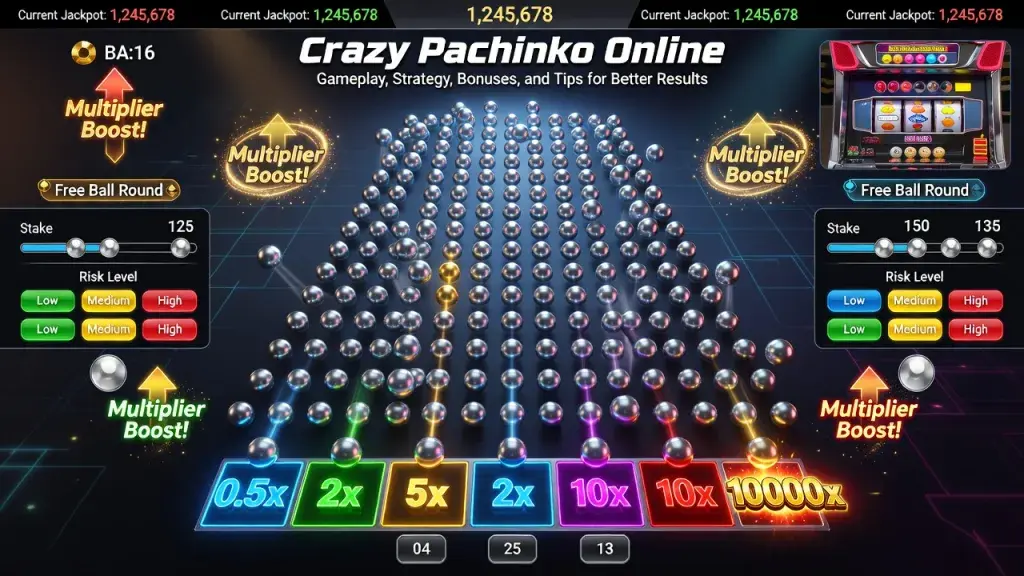
A ball drops into a field of pegs, bounces unpredictably eleven or twelve times, and lands in a multiplier slot worth anywhere from 0.5x to 10,000x the stake. That single mechanic - borrowed from Japanese arcade culture and rebuilt for digital casinos - has turned into one of the more compelling live-style games available today. The appeal isn't complexity. It's the opposite: a format simple enough to grasp in thirty seconds, yet volatile enough to keep experienced players watching every drop.
What separates this title from ordinary slot mechanics is the physics-driven randomness layered on top of a fixed multiplier board. Players don't pick numbers or symbols; they choose a bet size and a risk level, then watch gravity and geometry decide the outcome. For anyone comparing platforms before committing real money, checking the current version through this site gives a clear look at how the board, multipliers, and betting controls are actually presented in a live session. That kind of preview matters more than most players assume, since board layout and multiplier distribution vary between operators.
This piece breaks down how the game works, what separates a disciplined approach from guesswork, how the bonus rounds actually pay out, and which habits separate players who last through a session from those who burn through a bankroll in ten minutes.
Understanding Crazy Pachinko Gameplay
The Core Mechanic: Balls, Pegs, and Multiplier Slots
Every round starts with a board divided into a triangular grid of pegs, narrowing toward a row of multiplier slots at the bottom. A ball is released from the top and deflects off pegs on its way down, following a path no player can predict or influence. The multiplier slots at the base are arranged so that the center values tend to be lower and safer, while the outer edges carry the rare, high-payout multipliers. This layout isn't random - it mirrors physical pachinko machines, where the odds naturally favor the middle simply because of how a ball statistically travels through a peg field.
Betting Controls and Risk Levels
Before dropping a ball, players set a stake and typically choose between risk tiers - often labeled low, medium, and high. Low risk narrows the multiplier spread, keeping most outcomes close to breakeven. High risk widens that spread dramatically, introducing the possibility of near-zero returns alongside those headline-grabbing four- and five-figure multipliers. This risk selection is the single biggest lever a player has over the shape of their session, even though the ball's path itself stays entirely out of their control.
Multiple Balls and Simultaneous Drops
Most versions allow several balls to be released in quick succession or even simultaneously, each following its own independent path. This changes the pacing considerably - instead of waiting for one outcome, players can watch clusters of results land within seconds, which speeds up both the entertainment value and the rate at which a bankroll moves.
Crazy Pachinko Strategy: What Actually Works
Bankroll Segmentation
Because outcomes are governed by physics-based randomness rather than skill, strategy here isn't about predicting where a ball lands. It's about managing exposure over time. Dividing a total bankroll into fixed session units - say, twenty to thirty equal stakes - prevents a run of low multipliers from wiping out the ability to keep playing. This single habit does more for long-term outcomes than any bet-sizing trick.
Matching Risk Level to Session Goals
A player aiming for steady, small gains over an extended session benefits from low or medium risk settings, where multiplier swings stay contained. A player chasing a single large multiplier accepts that high risk mode will produce long stretches of minimal returns punctuated by rare spikes. Confusing these two goals - playing high risk while expecting steady growth - is the most common reason bankrolls disappear faster than expected.
Reading Variance Instead of Fighting It
Because the multiplier board is fixed and public, players can observe how often certain values land over a session and calibrate expectations rather than chase a "due" outcome. There's no pattern to detect in individual ball drops, but understanding that variance runs in clusters - several low results followed by an unexpected spike - helps avoid the trap of increasing bets out of frustration.
Setting Stop-Loss and Stop-Win Points
Deciding in advance when to walk away, in both directions, protects against the two most common failure modes: chasing losses after a cold streak, and giving back a big win by continuing to play with the same intensity. Fixed exit points, decided before the session starts, remove emotion from that decision.
Crazy Pachinko Bonus Features Explained
Multiplier Boost Rounds
Certain triggers activate temporary boosts that increase the value of specific slots on the board for a limited number of drops. These windows are where the largest payouts tend to concentrate, since the probability of hitting an already-rare high-multiplier slot is paired with an amplified value on top of it.
Free Ball Rounds
Some sessions award additional ball drops without requiring a new stake, effectively extending playtime and giving extra shots at the higher multiplier zones. These rounds don't change the underlying odds of any single drop, but they do increase the total number of attempts within a session, which matters statistically over time.
Progressive or Escalating Bonus Triggers
A number of platforms tie bonus activation to consecutive rounds or specific in-game events, meaning sustained play can gradually build toward a bonus trigger rather than relying purely on chance from the first drop. Recognizing these mechanics helps players decide whether to keep a session running through a dry spell or cut losses early.
- Multiplier boosts amplify existing slot values for a limited number of drops
- Free ball rounds add attempts without additional stake
- Progressive triggers reward sustained, consistent play patterns
Playing Crazy Pachinko Online: Platform Considerations
Live Dealer Versions vs. Automated Software
Two formats dominate the online space: fully automated digital boards, and live-hosted versions where a real dealer manages physical or semi-physical drops on camera. The live format tends to slow the pace slightly but adds a layer of transparency that some players find reassuring, since the physical randomness is visibly happening rather than generated purely by software.
Interface Differences That Affect Decision-Making
Board layout, multiplier value placement, and bet control responsiveness vary meaningfully between operators. A cluttered interface can slow reaction time during multi-ball rounds, while a clean, well-labeled control panel makes risk-level switching and stake adjustment far less error-prone during fast-paced sessions.
Checking Licensing and Fair-Play Verification
Before depositing, confirming that a platform publishes licensing information and independent fairness certification is a basic but essential step. This applies regardless of how attractive a specific bonus structure looks on the surface.
Practical Crazy Pachinko Tips for Better Sessions
Start With Low Stakes to Learn Board Behavior
Spending the first several rounds of any new session at minimal stakes - even if the platform allows much higher bets - reveals how that specific board's multiplier distribution behaves before real money exposure increases.
Avoid Increasing Bets After Losses
The instinct to raise a stake after a string of low-value outcomes, hoping to "catch up," ignores the fact that each ball drop is independent of the last. This habit is one of the fastest ways to convert a manageable session into a costly one.
Track Session Results Instead of Relying on Memory
Keeping a simple running note of stakes, risk levels, and outcomes across a session makes patterns in personal behavior - not board behavior - much easier to spot, including whether a particular risk setting consistently drains the bankroll faster than expected.
Treat the High-Multiplier Slots as Bonus, Not Baseline
Because those five-figure outcomes are rare by design, building a session plan around hitting one regularly sets an unrealistic baseline. Planning around the modest, frequent outcomes and treating anything larger as a genuine bonus keeps expectations grounded.
Frequently Asked Questions
Is there any skill involved in crazy pachinko, or is it entirely luck-based?
The ball's path through the pegs is purely physics-driven and cannot be influenced by the player. Skill enters only through bet sizing, risk-level selection, and bankroll management - not through predicting or controlling outcomes.
What's the difference between low and high risk settings?
Low risk narrows the multiplier spread so outcomes cluster closer to the original stake, producing smaller but more frequent swings. High risk widens that spread significantly, allowing both near-zero results and rare, very large multipliers within the same setting.
How often do the highest multipliers actually land?
The outer slots carrying the largest multipliers are deliberately rare by design, since the board's geometry naturally pushes most ball drops toward the center. Sessions built around expecting frequent high-value hits will consistently underperform that expectation.
Do multiple simultaneous ball drops change the odds?
No - each ball follows its own independent physical path regardless of how many are released at once. Multiple drops simply increase the number of outcomes generated per session, not the probability of any single result.
Should I play the live version or the automated one?
Both use the same underlying randomness principles, but the live version offers visible, camera-verified drops, which some players find more transparent. The automated version tends to move faster, which suits players prioritizing pace over visual verification.
What's the most common mistake new players make?
Raising stakes after a losing streak, under the assumption that a high multiplier is somehow "due." Since each drop is statistically independent, this behavior increases exposure without improving the odds of a favorable outcome.